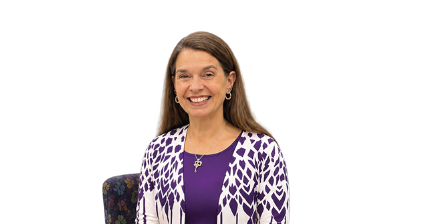
From fertility and pregnancy to newborn development, childhood behavior, and lifelong wellness, Dr. Karolyn Surmont is encouraging families to look at health from a different perspective.
By Dr. Karina G. Felix | Publisher, Greater Lake Worth Living
GREENACRES, FL — What if some of the physical, emotional, and behavioral challenges we experience are connected to something we rarely think about: how effectively our nervous system is functioning?
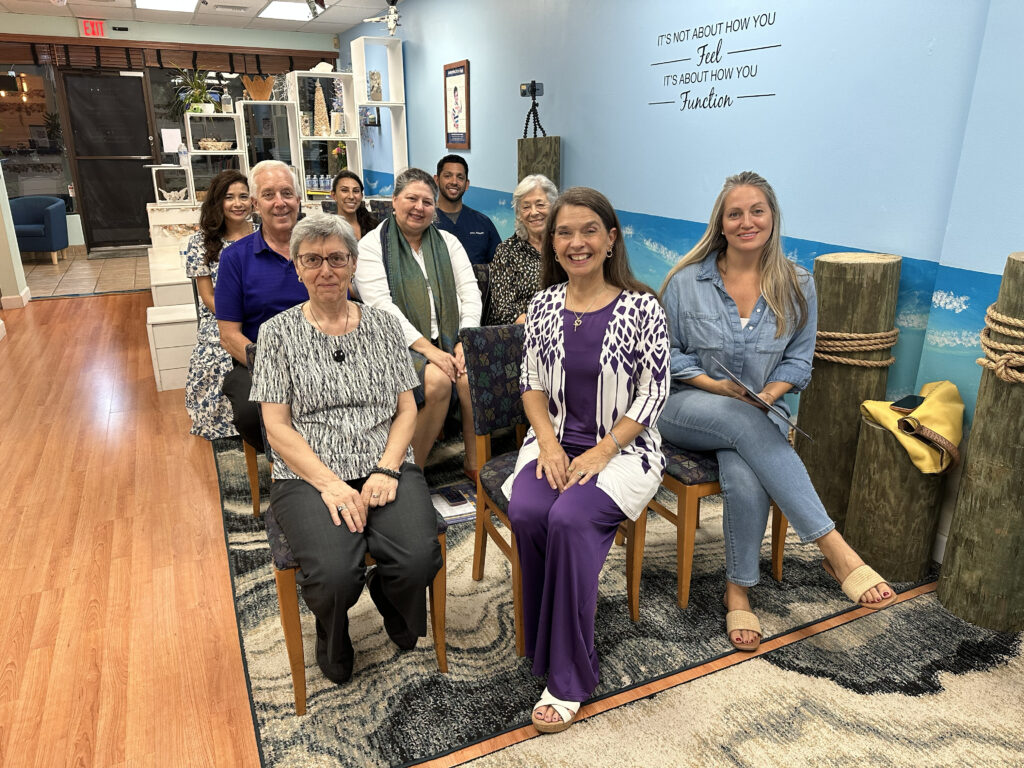
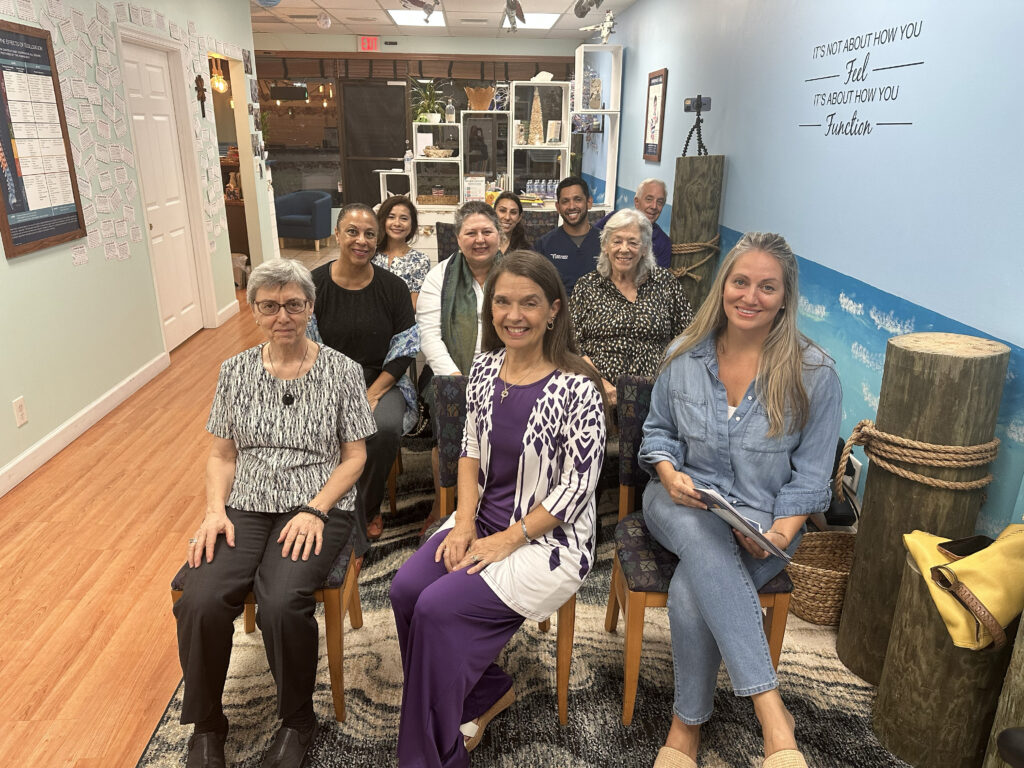
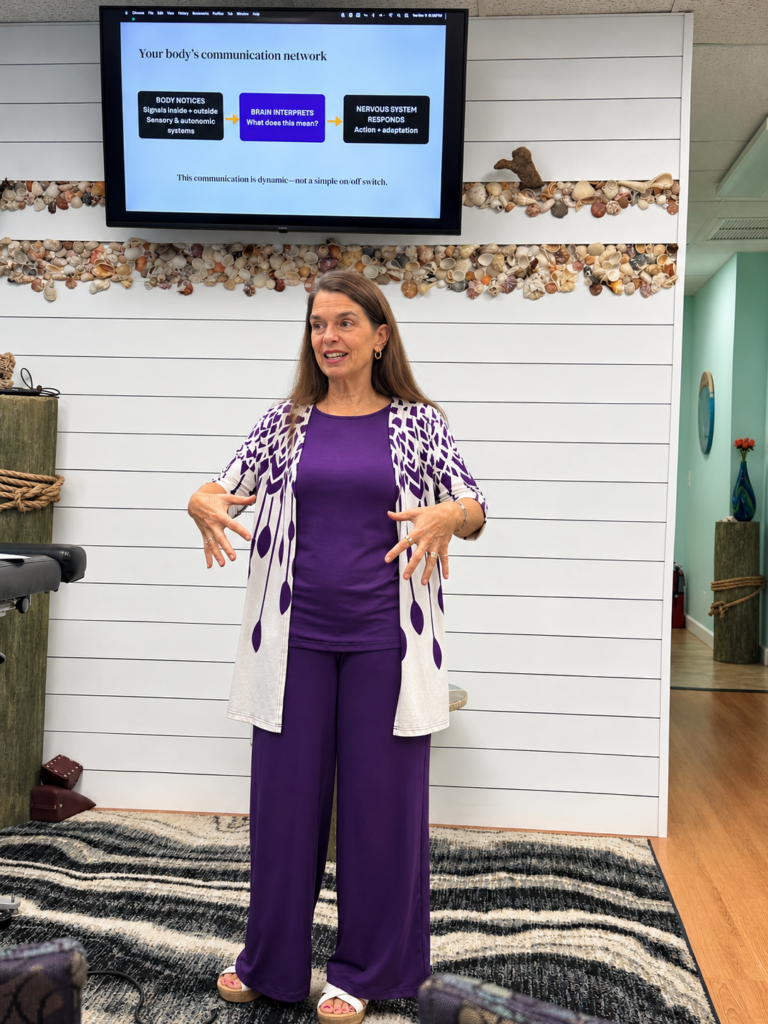
That was the thought-provoking question at the center of a recent community workshop presented by Dr. Karolyn Surmont of His Work My Hands Prenatal, Pediatric, and Family Chiropractic.
What began as an educational presentation about neurologically focused chiropractic care developed into a fascinating conversation about fertility, pregnancy, childbirth, childhood development, emotional regulation, and the body’s ability to adapt to stress.
For many attendees, including myself, the presentation introduced a different way of looking at health and wellness.
Looking Beyond the Symptoms
Dr. Surmont’s approach centers on the relationship between the spine, nervous system, and the body’s overall functioning.
Rather than concentrating exclusively on where someone experiences discomfort, she encourages patients to consider how accumulated physical and emotional stress may affect the nervous system.
Her philosophy suggests that certain challenges commonly viewed as isolated conditions may also involve broader patterns of nervous system regulation.
During the workshop, she discussed how these patterns might influence sleep, mood, attention, physical comfort, and the ability to respond to everyday stress.
The message was intriguing: Could understanding the body’s response to stress provide another perspective on challenges that families have struggled to address?
Fertility, Pregnancy, and Preparing the Body for Birth
One of the more interesting discussions involved women experiencing difficulty conceiving.
Dr. Surmont explored her belief that nervous system regulation and overall physical balance deserve consideration when examining reproductive wellness. She discussed how stress, spinal function, and the body’s physiological responses may interact.
She also spoke about chiropractic care during pregnancy, particularly the importance of pelvic comfort, mobility, and alignment as a woman’s body prepares for childbirth.
According to Dr. Surmont, gentle prenatal chiropractic techniques are intended to help expectant mothers manage physical discomfort and support pelvic balance throughout pregnancy.
Her discussion offered an interesting perspective on how women might approach their physical well-being before and during pregnancy.
Even a Natural Birth Can Be Physically Demanding for a Newborn
Perhaps one of the most surprising topics was the physical experience of childbirth from the baby’s perspective.
We often associate birth-related trauma with difficult deliveries or medical interventions. Dr. Surmont encouraged attendees to consider that even an uncomplicated natural birth involves significant physical forces and adaptation for a newborn.
She discussed how her practice evaluates infants for tension, movement restrictions, and other concerns that parents may notice during the earliest stages of development.
Her pediatric approach focuses on gentle, age-appropriate care and the belief that nervous system function plays an important role in a child’s ability to adapt.
It was a perspective that encouraged attendees to think about the newborn experience in an entirely different way.
Autism, Sensory Challenges, and Children’s Communication
Another particularly engaging discussion focused on children on the autism spectrum and those experiencing sensory processing challenges.
Dr. Surmont described her work with families seeking additional support for children who struggle with emotional regulation, sensory overwhelm, sleep, attention, or communication.
She explained her theory that physical stress and nervous system regulation may play a role in how children respond to their daily environments.
During the workshop, attendees heard about children whose families reportedly noticed improvements in communication, responsiveness, emotional regulation, and social engagement while receiving care.
These accounts were especially meaningful because they concerned everyday experiences that can have a profound impact on family life.
For parents navigating these challenges, hearing other families describe their experiences opened an interesting conversation about supportive approaches to children’s well-being.
When Families Share Their Own Experiences
The workshop became particularly personal when two attendees shared testimonials about changes they had witnessed through Dr. Surmont’s care.
Their stories included observations of improvements in children and personal well-being, bringing a human dimension to the concepts presented.
Rather than hearing only about techniques and theories, the audience heard from individuals describing what they believed had changed in their everyday lives.
Their experiences illustrated the hope, curiosity, and determination that often accompany a family’s search for greater health and quality of life.
Measuring More Than Pain
Another aspect of Dr. Surmont’s presentation that captured my attention was her use of technology to assess patterns associated with nervous system activity.
Her practice incorporates a combination of noninvasive assessments, including heart rate variability measurements, surface electromyography, and thermal scanning.
Heart rate variability examines changes in the timing between heartbeats and provides information about aspects of autonomic nervous system activity.
Surface electromyography measures electrical activity associated with muscles, while thermal scanning records temperature patterns.
Dr. Surmont uses these measurements alongside patient history, physical assessment, and reported symptoms to develop individualized care plans and monitor changes over time.
What interested me was the emphasis on collecting information, observing patterns, and considering the person as a whole rather than focusing on one symptom alone.
From Curiosity to a Personal Decision
As someone who has experienced severe vertigo for decades, this workshop resonated with me on a personal level.
Having spent much of my life as a dancer, I understand the physical demands we place on our bodies, often without considering the long-term consequences. Years of rehearsals, performances, repetitive movements, and occasional injuries can take their toll. It made me think about how the physical stresses and injuries we experience in our younger years may continue to affect us as we grow older.
I also thought about my son, who is physically active, plays soccer, and works out regularly at the gym. Between the demands of competitive sports, physical training, and the occasional injuries that come with an active lifestyle, I began wondering how these experiences might affect his body over time.
One of the ideas Dr. Surmont discussed was how accumulated physical stress and past injuries may influence the way our bodies function years later. That perspective struck a chord with me, both as a former dancer and as a mother.
Over the years, I have explored numerous approaches in search of answers and lasting relief from my vertigo. Anyone who has experienced recurring episodes knows how disruptive and unpredictable they can be.
Listening to Dr. Surmont discuss nervous system regulation, physical stress, and her approach to evaluating the body’s overall balance sparked my curiosity.
By the end of the workshop, I had made a decision: I booked appointments for both my son and myself.
For my son, I am interested in learning more about how his active lifestyle, sports injuries, and physical training may be affecting his body. For myself, I am curious to explore whether Dr. Surmont’s approach might offer additional insights into the challenges I have experienced for so many years.
I am genuinely excited about our upcoming appointments and what we may discover.
As a publisher, I believe some of the most meaningful community stories begin with curiosity, personal experiences, and a willingness to explore different perspectives.
This time, I am not just reporting the story. I am becoming part of it.
And perhaps there will be a follow-up worth sharing.
About Dr. Karolyn Surmont
Dr. Karolyn Surmont is the practitioner behind His Work My Hands Prenatal, Pediatric, and Family Chiropractic, a Greenacres-based practice offering neurologically focused chiropractic care for expectant mothers, infants, children, and adults.
Her practice emphasizes individualized assessments, gentle chiropractic techniques, and whole-family wellness.
His Work My Hands Chiropractic
6426 Lake Worth Road
Greenacres, FL 33463
Phone: (561) 517-8445
Email: hisworkchiro@gmail.com
Website: https://hisworkmyhandschiropractic.com/
Greater Lake Worth Living covers the people, businesses, experiences, and conversations shaping our local communities. This article reports perspectives shared at a community workshop and does not constitute an endorsement of specific medical treatments or outcomes.

Author: Dr Karina Felix
Dr. Karina G. Felix is an avid reader with a lifelong passion for writing that began at an early age. Today, she is a book and magazine publisher, among the many hats she wears as an entrepreneur and creative visionary. Learn more at karinagfelix.com.